
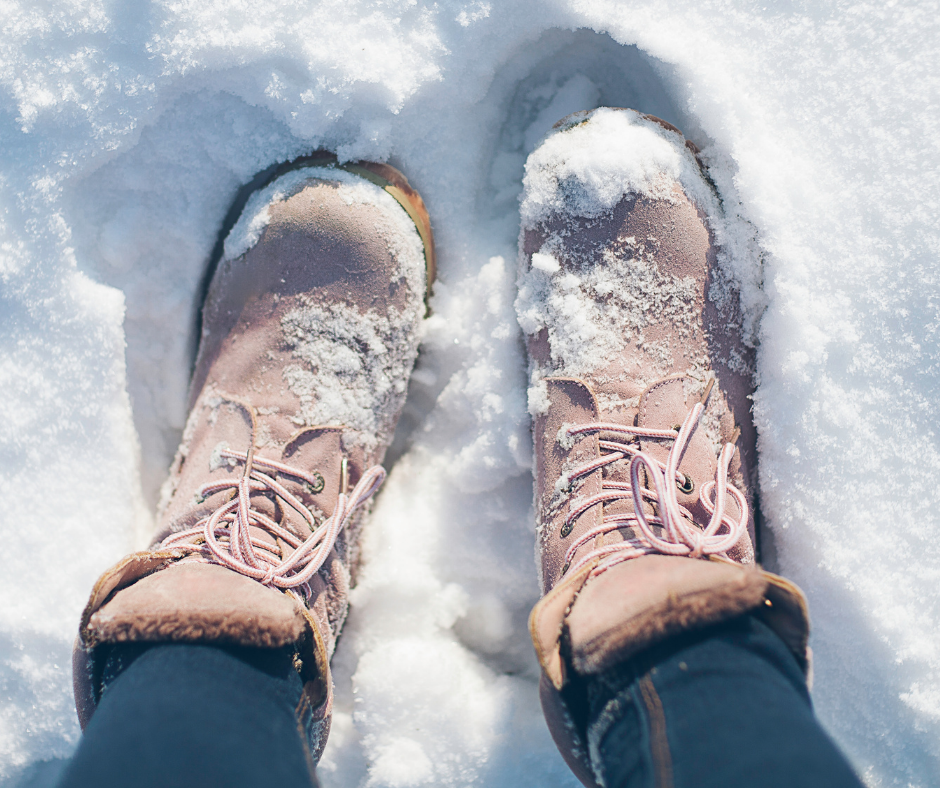
How to Choose Winter Boots That Support Your Feet
It’s freezing in Hagerstown, and your sneakers aren’t going to cut it. So you pull out your winter boots, only to remember why you stopped wearing them: your heels slip, your toes feel squeezed, or your arches ache by lunchtime. If you’re shopping for a new pair, how do you choose winter boots that actually support your feet?
Warm feet shouldn’t have to mean sore feet.
At Reconstructive Foot & Ankle Institute, LLC, Dr. Dan Michaels helps patients in Hagerstown and Frederick figure out what their feet need from everyday footwear. And winter boots are no exception.
Why Do Some Winter Boots Hurt Your Feet?
A boot can feel cozy when you first put it on and uncomfortable an hour later. Maybe your heel keeps lifting as you walk. Maybe your toes press against the front when you head downhill.
That rubbing and pressure can irritate your skin and contribute to corns and calluses. Boots that don’t fit or cushion your feet comfortably may also aggravate existing plantar fasciitis and heel pain.
But there’s no single boot that’s right for everyone. Someone clearing a snowy driveway needs different features from someone commuting to an office and spending most of the day indoors.
Five Things to Check Before You Buy
1. Give your toes some space. Wear the socks you’ll actually use in winter. You should be able to wiggle your toes without feeling pressure along the sides or at the front.
2. Keep your heel secure. Walk around the store. If your heel slides up and down with every step, that pair may cause rubbing. Look for a firm heel counter and a fit that feels secure without pinching.
3. Check how the sole moves. A boot should generally bend near the ball of your foot, not fold in half through the arch. It also shouldn’t twist easily when you gently turn the front and back in opposite directions.
4. Think about traction and weather. Look for an outsole designed for winter conditions and an upper that suits the snow or slush you’ll encounter. Even a good tread won’t make ice completely safe.
5. Try both boots on and take a walk. Shopping later in the day can help you notice fit problems when your feet are a little fuller. Don’t count on painful pressure points disappearing after you break the boots in.
What If You Have Bunions, Heel Pain, or Orthotics?
This is where shopping gets personalized.
If you have a bunion, extra room across the forefoot may matter most. If your heel has been bothering you, a stable, comfortable footbed may be more important than how soft the lining feels.
And if you wear orthotics, bring them when you shop. Look for removable insoles and enough depth to fit your inserts without crowding your toes.
Dr. Michaels shares more footwear advice in his shoe-selection video. You can also take RFAI’s shoe guide and recommendations along when comparing pairs. It covers features such as heel stability, sole flexibility, and removable insoles.
When Should You Ask About Your Boots?
If every pair seems to rub the same spot, or your feet hurt even in boots that seem to fit, another shopping trip may not solve the problem.
Bring your boots to an appointment. Dr. Michaels can look at the fit, listen to where and when you hurt, and discuss what might work better for your feet and daily routine. That’s the benefit of care focused on the individual rather than a one-size-fits-all shoe recommendation.
The best winter boots aren’t necessarily the biggest or most expensive. They’re the ones you can wear comfortably while getting to where you need to go.
Like Dr. Michaels says:
If It’s Below the Knee, Think of Me!
Reconstructive Foot & Ankle Institute, LLC offers comprehensive podiatric services. Call us at 301-797-8554 or contact us to schedule an appointment. Located in Hagerstown & Frederick, MD, we’re ready to meet any of your foot health needs.
