
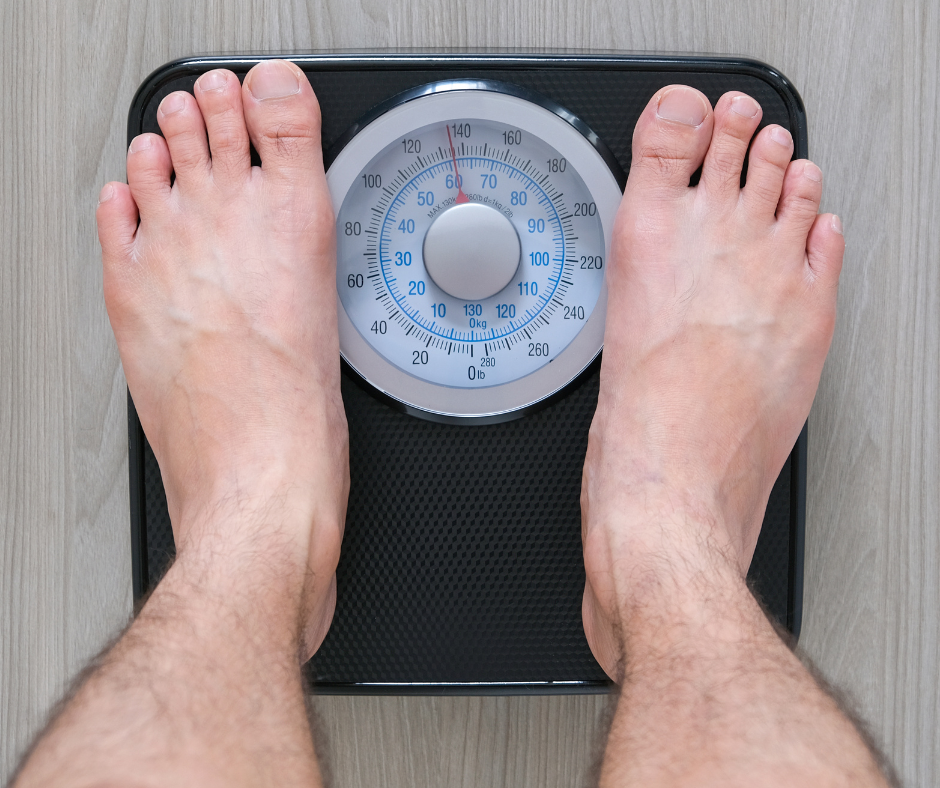
“Ozempic Feet”: Why Your Feet Hurt After Rapid Weight Loss
The rise of GLP-1 medications like Ozempic, Wegovy, and Mounjaro has changed the landscape of health. But as the numbers on the scales go down, a surprising new symptom is sending more patients into our office: foot pain.
If you have recently lost a significant amount of weight and suddenly feel like you are walking on rocks, you aren’t imagining it. The Reconstructive Foot & Ankle Institute explains what’s going on below.
The Anatomy of Weight Loss
When you lose weight rapidly, your body doesn’t pick and choose where the fat comes from. It burns adipose tissue from your stomach, your arms, your face…and the bottom of your feet. That last one is where the problem starts.
- Your feet are equipped with a natural shock absorber known as the plantar fat pad.
- This thick layer of cushioning under your heel and the ball of your foot protects your bones from the impact of walking.
- When that protective layer thins out too quickly, you develop a condition called Fat Pad Atrophy.
Essentially, you have lost your body’s natural Dr. Scholl’s insert, leaving your bones with less protection against the hard ground.
How to Tell if You Have “Ozempic Feet”
Fat Pad Atrophy feels distinct from other conditions like plantar fasciitis. Here is what to look for:
- The “Marble” Sensation: Patients often describe the feeling of walking on a pebble or a marble, especially under the ball of the foot.
- IMPORTANT NOTE: This sensation also has other causes, such as Rheumatoid ArthritisorMorton’s Neuroma.A professional diagnosis is needed to tell which is which, even if they feel the same.
- Hard Floors are Enemies: You used to be fine barefoot; now, walking on hardwood or tile is excruciating.
- Bone-on-Ground Pain: The pain feels deep and bony, rather than a stretching sensation in the arch.
- Shoe Size Changes: Your shoes might feel loose. Losing volume in the foot often means your old sneakers no longer fit snugly, leading to friction and blisters.
Don’t Stop the Progress. Change the Support!
The solution isn’t to stop your weight loss journey. However, you need to manually replace or compensate for the loss of cushioning.
- Re-Measure Your Feet – If you have lost 30+ pounds, your shoe size has likely changed. Wearing shoes that are now too big creates instability, but we can help you with that!
- Max-Cushion Footwear – It is time to embrace the “Max Cushion” trend. Brands like Hoka or Altra offer thick, shock-absorbing soles that act as a surrogate fat pad. Avoid thin-soled flats or minimalist shoes like Converse.
- Custom Orthotics (The Artificial Fat Pad) – This is the gold standard solution. While store-bought insoles are generic, custom orthotics are designed to cup the heel and offload pressure from the bony prominences of your feet. We can build specific padding into the orthotic to mimic the tissue you lost.
Keep At It…Minus the Pain
If you are feeling that “bone-on-ground” sensation, schedule an appointment with us.
Like Dr. Michaels always says:
If It’s Below the Knee, Think of Me!
For any foot-related problems you’re facing, the Reconstructive Foot & Ankle Institute offers comprehensive podiatric services. Call us at 301-797-8554 or contact us to schedule an appointment. Located in Hagerstown & Frederick, MD, we’re ready to meet any of your foot health needs.
