
Rucking 101: How to Crush the Workout (Without Crushing Your Arches!)
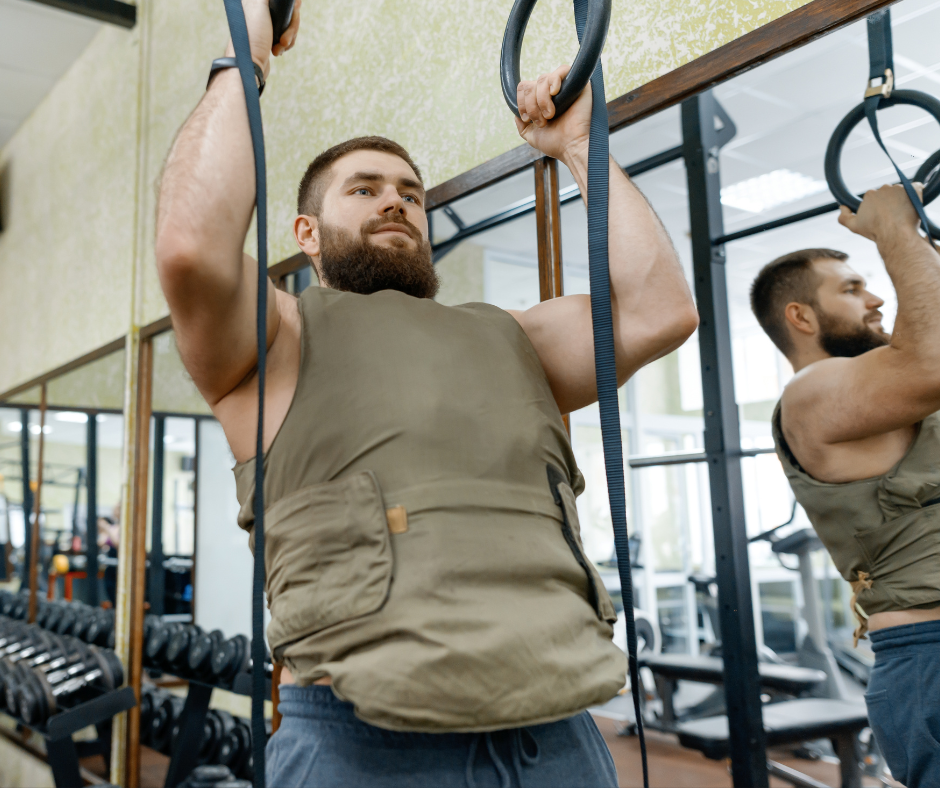
If you have been to a park or gym recently, you may have noticed people walking with heavy military-style backpacks. It’s called Rucking, and thanks to social media and fitness influencers, it is exploding in popularity.
The premise is simple: Walk with weight. It burns calories, builds core strength, and improves posture. It sounds like the perfect low-impact workout. But as podiatrists, we are seeing a specific fallout from this trend. Patients are coming in with crushed arches, stress fractures, and serious heel pain.
Is Rucking bad for your feet? Not if your foundation is strong enough to handle the load! In this blog, the Reconstructive Foot & Ankle Institute covers how you can achieve that.
The Physics of the “Heavy Walk”
Your feet are engineering marvels designed to support your body weight. When you walk, your feet absorb roughly 1.5 times your body weight in impact force.
Here is the Rucking math: When you add a 30lb or 40lb rucksack, you aren’t just making your muscles work harder; you are exponentially increasing the torque on your ankles and the pressure on your arches.
- The Danger Zone: If you have flat feet (overpronation), your arch already struggles to support your natural weight. When you add external weight, a collapsing arch can flatten completely, violently stretching the plantar fascia and the posterior tibial tendon.
The Rucking Injury Checklist
If you jumped into this trend too fast, watch for these signs of structural failure:
- Shin Splints: That burning pain down the front of your leg often means your lower leg muscles are overworked trying to stabilize the extra weight.
- Top of Foot Pain: This can be a sign of a stress fracture. The metatarsal bones are thin; overloading them before they have adapted can cause hairline cracks.
- Morning Heel Pain: If the first steps out of bed hurt the day after a ruck, you have strained the plantar fascia.
How to Ruck Safely (The “Pod-Approved” Way)
You don’t have to quit. You just need to prepare your “equipment” (your feet).
1. Respect the 10% Rule: Do not start with a 45lb plate in your pack. Start with 10% of your body weight. If you weigh 150lbs, start with 15lbs. Let your bone density adapt to the stress over weeks, not days.
2. Ditch the Running Shoes: Squishy, maximalist running shoes (like soft foam Hokas) can be dangerous for Rucking. The weight compresses the foam, creating an unstable surface for your ankle.
- The Fix: Wear sturdy hiking boots or trail shoes with a firm heel counter and a wider base for stability.
3. The “Arch Scaffold” (Orthotics): This is the single most important piece of gear. If you have flat feet, you must support the arch before adding weight.
- Store-Bought: Might be okay for lightweight.
- Custom Orthotics: Essential for heavy loads. They act as a rigid scaffold, preventing the arch from collapsing under the heavy pack.
Listen to Your Feet
Rucking is an excellent way to build durability, but pain is not “weakness leaving the body.” It is a structural warning light! If you want to start Rucking but have a history of foot pain, come see us first.
For any foot-related problems you’re facing, the Reconstructive Foot & Ankle Institute offers comprehensive podiatric services. Call us at 301-797-8554 or contact us to schedule an appointment. Located in Hagerstown & Frederick, MD, we’re ready to meet any of your foot health needs.
